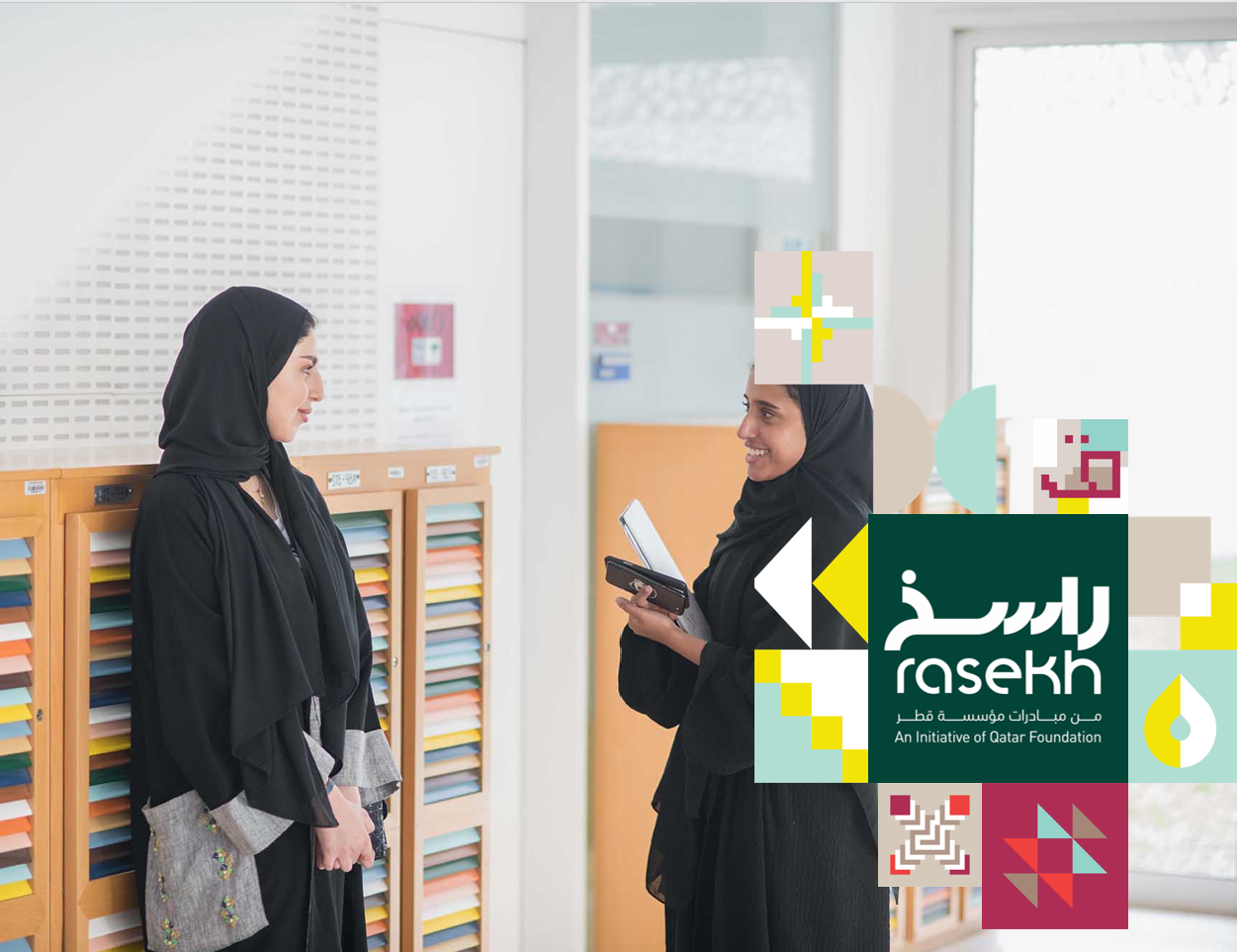
Explain the core principles of “Rasekh” framework and their application in middle school classrooms.
Construct contextualized units applying international curriculum standards to explore advanced topics deeply rooted in local context and national priorities.
Execute the strategic curriculum localization plan to systematically progress toward the targeted integration threshold, strengthening students’ capacity to connect academic knowledge with real-world challenges.
Evaluate the integration of Arabic as a foundational language of thinking, learning, and inquiry across distinct disciplinary areas.
Design tasks to support students in utilizing advanced disciplinary literacy in Arabic as the primary medium for complex scholarly discourse, critical inquiry, and analytical reasoning across subjects.
Incorporate authentic contemporary issues and purposeful discussions within interdisciplinarity unit to deepen students’ ethical awareness, connect values directly to behavior, and strengthen social responsibility.
Design learning experiences that mandate student-led inquiry, advancing measurable skills in multi-perspective analysis, critical thinking, and independent ethical reasoning.
Develop student agency, leadership, and purposeful dialogue to empower students to make autonomous, ethically grounded civic decisions.
Formulate project-based learning strategies that challenge students to develop innovative projects connected to the local environment and propose solutions for complex issues in energy, sustainability, and community development.
Design performance tasks that require students to autonomously defend their innovations while demonstrating global relevance and pride in their language and identity.
Develop valid and reliable assessment tools to measure critical thinking, ethical reasoning, and the application of advanced disciplinary literacy within authentic, real-world challenges.
Co-plan instructional milestones as Arabic and English teachers to advance curriculum contextualization, integrate global knowledge with emerging trends, and verify the transfer of learning.
Document evidence of professional growth through data gathered from instructional practices, reflective discussions, coaching sessions, and professional learning communities (PLCs) meetings.
Share an example of improved practice.